Modern Smart Hotels: Efficiency, Personalization and Market Differentiation in the Digital Age
January 28, 2026
The global hospitality industry is witnessing a clear divide, driven by the rapid adoption of smart technologies: modern smart hotels are thriving with high occupancy rates and increased revenues, while traditional hotels struggle to retain guests due to inefficient services. Today’s smart hotels are no longer just about adding a few tech gadgets to rooms; they are leveraging data-driven insights, seamless device connectivity, and user-centric design to redefine convenience, and in doing so, they are setting a new benchmark for the industry. This shift is not just about technology—it’s about meeting the evolving demands of modern travelers, especially younger generations who prioritize speed, customization, and hassle-free experiences.
Efficiency has become the core competitive advantage of modern smart hotels, with technology eliminating bottlenecks that once frustrated both guests and hoteliers. During the 2025 National Day and Mid-Autumn Golden Week in China, a critical test for the hospitality industry, smart hotels achieved an average occupancy rate of 98%, while some traditional hotels saw vacancy rates soar above 40%. The gap stems largely from streamlined guest journeys: smart hotels have rolled out 10-second check-in and 3-second check-out systems, cutting lobby wait times by 80% and allowing guests to bypass front desks entirely with face recognition or mobile keys. Even small details like elevator scheduling have been optimized—smart algorithms reduce waiting times during breakfast peaks to just 19 seconds, a stark contrast to the 10-minute waits common in traditional hotels. Behind the scenes, AI-powered revenue management systems adjust room prices in real time based on factors like concert schedules, weather, and traffic, helping smart hotels boost room revenue by up to 17% during peak periods.
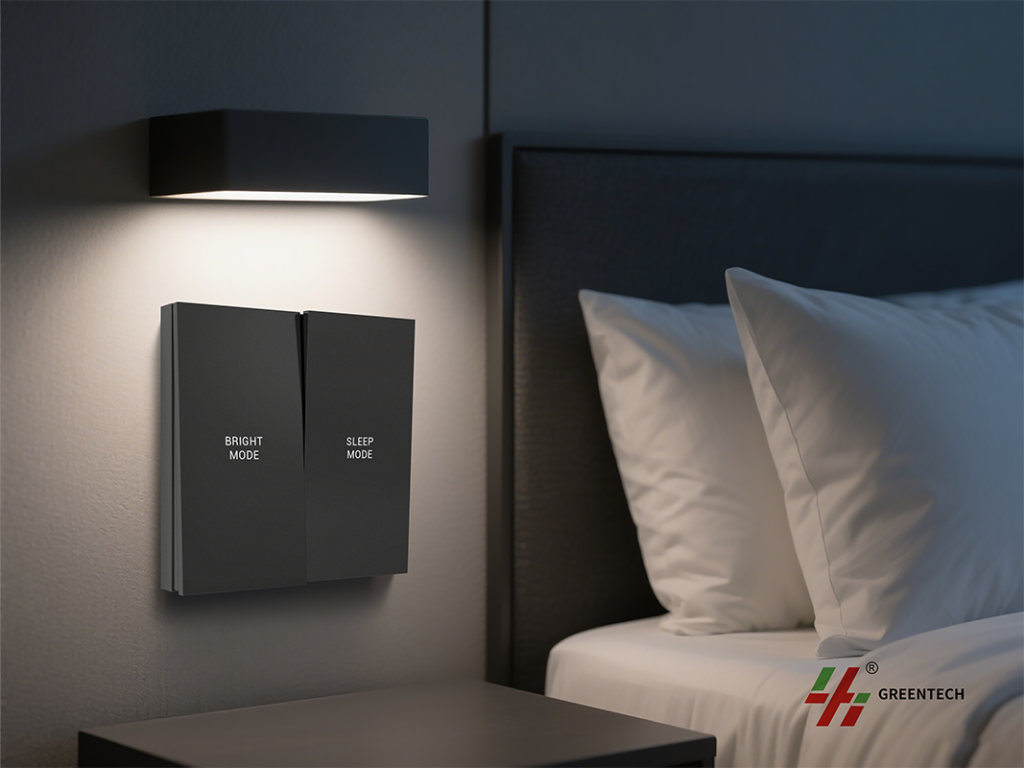
Unlike earlier iterations of smart hotels that focused solely on high-tech features, modern smart hotels prioritize “comfort tech”—practical innovations that enhance guest comfort without creating complexity. A 2025 survey by Hotels.com found that 56% of hotels feel pressure to upgrade their technology, but most are focusing on intuitive, user-friendly features rather than novelty gadgets. For example, Tokyo’s Peninsula Hotel has installed emotion-sensing systems that detect guests’ stress levels via room sensors and automatically trigger aromatherapy to promote relaxation. In Guangzhou, the W Hotel has deployed connected smart speakers and coffee machines, allowing guests to control in-room amenities with simple voice commands without needing to learn complex systems. Many smart hotels now also offer verbal tech walkthroughs at check-in to help guests navigate features like smart lighting and entertainment, addressing the “tech confusion” that some travelers experience.
Sustainability and cost savings go hand in hand in modern smart hotels, with IoT and AI technologies enabling hotels to reduce their environmental footprint while cutting operational costs. Intelligent energy management systems, equipped with occupancy sensors, automatically adjust lighting, heating, and air conditioning when rooms are unoccupied—Singapore’s Marina Bay Sands Hotel uses IoT-integrated solar systems to reduce carbon emissions by 1,200 tons annually, while a hotel in Fort Worth cut energy costs by 85% with smart mini-fridges that shut down automatically when rooms are empty. Smart linen management systems have also become a game-changer: instead of staff spending 15 minutes checking each room’s linen supply, the technology automatically tracks shortages and alerts housekeeping, allowing one hotel to handle 136 additional hourly room bookings during the 2025 Golden Week, translating to an extra $28,000 in revenue. Water-saving systems, which shorten the preheating time for shower water via facial recognition, further reduce waste and utility bills.
Personalization in modern smart hotels has moved beyond basic preferences to hyper-targeted, data-driven experiences that foster guest loyalty. By integrating data from booking platforms, guest profiles, and in-stay behaviors, hotels can anticipate needs before guests even ask. For instance, Chengdu’s Langpo Hotel partners with intangible cultural heritage inheritors to offer Shu embroidery workshops, while Kyoto’s Hoshinoya Hotel provides tea ceremony experiences led by professionals—both combining local culture with smart technology to create unique, memorable stays that drive repeat visits. Marriott’s AI assistant “M Live” processes bookings, complaints, and dining requests in real time, while also using behavioral data to suggest personalized upgrades or amenities, reducing manual customer service costs by 30%. Even商务 travelers benefit: Hilton’s “WorkSpaces” rooms feature height-adjustable desks and video conferencing systems, catering to the growing demand for “work + stay” integrated spaces.
Despite their success, modern smart hotels still face challenges, particularly around accessibility and balance. Small and mid-sized hotels often struggle with the high initial cost of smart technology upgrades, though many are adopting low-cost, high-impact solutions—such as adding self-check-in kiosks or bluetooth door locks—that can be implemented in as little as three months without breaking the bank. Privacy remains a top concern: as hotels collect more guest data, robust security measures and transparent privacy policies are essential to build trust. Marriott uses blockchain technology to encrypt guest data, reducing leakage risks by 90% and complying with strict data sovereignty regulations around the world. Additionally, hotels are working to strike a balance between technology and human interaction—70% of hotels report that guests still prefer face-to-face service for complex requests, highlighting that smart technology should enhance, not replace, the human touch.
Looking ahead, the future of modern smart hotels will be shaped by even greater integration of emerging technologies and a focus on inclusivity. 5G and blockchain will improve data security and supply chain transparency, while virtual reality (VR) will allow guests to take virtual tours of hotels and local attractions before booking—Marriott’s virtual hotel “M Live Universe” has already attracted over 500,000 registered users, blending digital experiences with real-world benefits. As 00后 travelers increasingly dominate the market, hotels will continue to prioritize intuitive, mobile-friendly smart features that align with the preferences of this tech-savvy generation. The trend is clear: modern smart hotels are not just a passing fad, but a permanent evolution of the hospitality industry—one that balances efficiency, personalization, sustainability, and human connection to meet the needs of today’s travelers.
In conclusion, modern smart hotels have transformed the hospitality industry by focusing on efficiency, comfort, and personalized experiences, driven by AI, IoT, and data analytics. The 2025 Golden Week data and latest industry surveys prove that智能化 is no longer an option but a survival necessity for hotels looking to compete in a crowded market. By avoiding overly complex technologies and prioritizing user-friendly, practical innovations, modern smart hotels are winning over guests and boosting revenues, while also contributing to global sustainability goals. As technology continues to evolve, the most successful smart hotels will be those that strike the perfect balance between cutting-edge tech and the warm, human service that makes travel memorable.