
Hotel Automation Goes Mainstream: How Integrated Systems Are Transforming Mid-Size and Boutique Properties
January 30, 2026
For years, hotel automation was seen as a luxury reserved for large hotel chains with massive budgets. Today, that narrative is shifting dramatically: integrated automation systems have become more affordable, user-friendly, and scalable, making them accessible to mid-size hotels, boutique properties, and even independent inns. This democratization of automation is reshaping the hospitality industry, allowing smaller establishments to compete with big brands by delivering efficient, consistent, and tech-enhanced guest experiences—all while reducing operational costs and easing the burden on overstretched staff. As 2026 unfolds, hotel automation is no longer a “nice-to-have” but a core tool for survival and growth in a sector still recovering from labor shortages and changing traveler expectations.
The key driver behind this shift is the rise of all-in-one automation platforms that eliminate the need for piecemeal, incompatible tech solutions. Unlike the fragmented systems of the past—where check-in kiosks, energy management tools, and housekeeping software operated independently—modern automation platforms integrate these functions into a single, cloud-based dashboard. This integration streamlines workflows, reduces human error, and provides hoteliers with real-time insights into every aspect of their operations. For example, Finland’s Original Sokos Hotel Royal in Vaasa, a heritage-protected property undergoing renovation, has adopted ABB’s i-bus® KNX system to unify lighting, climate control, and occupancy detection across its historic buildings. The system syncs with the hotel’s booking software, ensuring rooms are prepped efficiently and energy is not wasted on unoccupied spaces—critical for a property balancing historic preservation with modern sustainability goals.
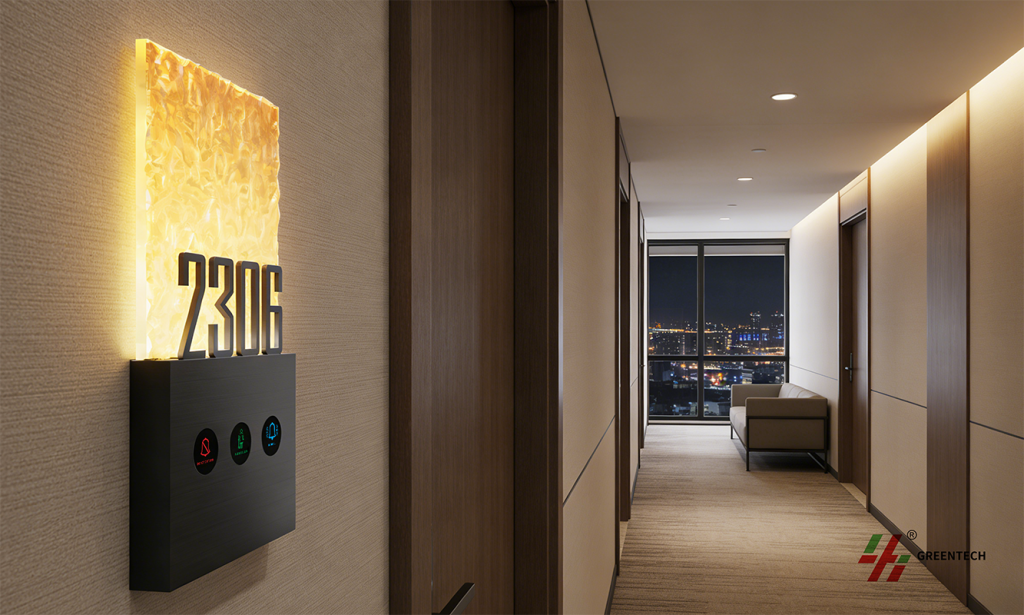
Smaller hotels are leveraging these integrated systems to solve their most pressing challenges: labor shortages and rising costs. In Silverton, Colorado, The Wyman Hotel, a boutique establishment, partnered with Operto to implement automated check-in, keyless entry, and smart room monitoring. The solution eliminated the need for 24/7 front desk staffing— a major relief for a property with a limited team—while allowing late-arriving guests to access their rooms seamlessly with digital codes. Since implementation, the hotel has expanded its available rooms and reported higher guest satisfaction scores, with travelers praising the hassle-free arrival experience and enhanced convenience. Similarly, independent hotels across Europe are using automation to cut down on repetitive tasks: self-service check-in kiosks handle 30-40% of daily check-ins, freeing up front desk staff to focus on personalized interactions rather than paperwork.
Automation is also enhancing guest trust and safety, a top priority for travelers in the post-pandemic era. Smart access control systems, which replace physical keys with mobile credentials or facial recognition, reduce the risk of lost keys and unauthorized access. Many hotels are also using automated sanitization robots to clean high-touch surfaces—such as elevator buttons, lobby desks, and room door handles—between guest stays. These robots not only ensure a higher standard of cleanliness but also serve as a visible reminder to guests that their safety is a priority. In the UK, Sunborn London, the country’s only luxury yacht hotel, has integrated automated payment systems and contactless dining tools into its operations, reducing physical contact while streamlining guest transactions and food service. The hotel’s unified technology ecosystem, powered by Shiji’s solutions, also improves coordination between departments, ensuring seamless service even in the tight physical space of a yacht.
Another emerging trend is the use of automation to enhance guest communication and engagement—without losing the personal touch. AI-powered messaging tools, integrated with hotel booking systems, send personalized confirmations, pre-arrival reminders, and post-stay follow-ups automatically. These tools can answer common guest questions—such as check-in times, parking information, and local recommendations—in real time, using natural language processing to mimic human conversation.
Unlike generic chatbots of the past, modern automation tools can be customized to reflect a hotel’s unique brand voice, ensuring guests feel valued rather than “talked to” by a machine. For example, Sunborn London uses its integrated system to send tailored recommendations for waterfront experiences, aligning with the hotel’s focus on celebratory stays and personalized service.
While the benefits are clear, smaller hotels still face barriers to adopting automation: upfront costs, staff resistance to change, and a lack of technical expertise. To address these, tech providers are offering flexible pricing models—such as monthly subscriptions instead of large upfront payments—and simplified training programs. Many also provide ongoing technical support, ensuring hoteliers don’t feel overwhelmed by their new systems. Additionally, industry associations are offering resources and workshops to help independent hoteliers navigate the automation landscape, empowering them to make informed decisions about which tools best fit their needs. For mid-size hotels, the return on investment is often rapid: reduced labor costs, lower energy bills, and higher guest retention rates quickly offset the initial expense.
Looking ahead, the future of hotel automation will be defined by greater customization and AI-driven personalization. As automation systems collect more data on guest preferences, they will be able to anticipate needs even more accurately—whether it’s adjusting a room’s temperature before a guest arrives or recommending a local restaurant based on past orders. The integration of IoT devices will further enhance this, with smart thermostats, lighting, and entertainment systems working together to create a seamless, personalized environment. For smaller hotels, this means even more opportunities to compete with big brands by delivering unique, tech-enhanced experiences that feel personal, not automated. As one independent hotelier noted, “Automation isn’t about replacing our staff—it’s about giving them the tools to do what they do best: care for our guests.”